

The cost to rebuild a chimney in NJ depends mostly on one thing: how much of it actually needs to come down. A minor repointing job is a world apart from rebuilding everything above the roofline — and rebuilding from the foundation up is different again. Before you can talk price, you need to know which of those situations you’re in, and that’s exactly what this guide will help you figure out.
After 29 years restoring chimneys across New Jersey, we’ve seen homeowners pay for full rebuilds they didn’t need — and others patch a chimney that was past saving. The goal here is to help you tell the difference, so let’s break down what drives the cost of chimney masonry work.
Repair, Repoint, or Rebuild? Knowing the Difference
These three terms get used loosely, but they mean very different jobs and very different costs:
- Repair — fixing a specific problem, like a cracked crown, damaged flashing, or a few loose bricks.
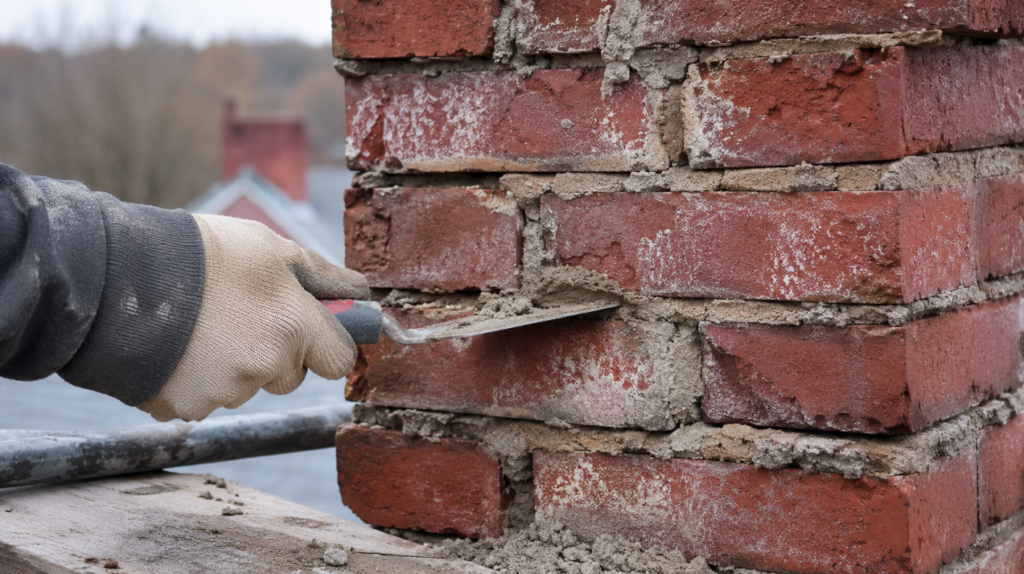
- Repointing — grinding out old, crumbling mortar joints and replacing them with fresh mortar. The bricks stay; the mortar is renewed.
- Rebuild — taking the chimney down to a sound level and rebuilding it brick by brick. This can be a partial rebuild (everything above the roofline) or a full rebuild (down to the base).
A good contractor recommends the smallest job that actually solves the problem — not the biggest one.
The Factors That Affect Chimney Rebuild Cost in NJ
1. How Much of the Chimney Needs Rebuilding
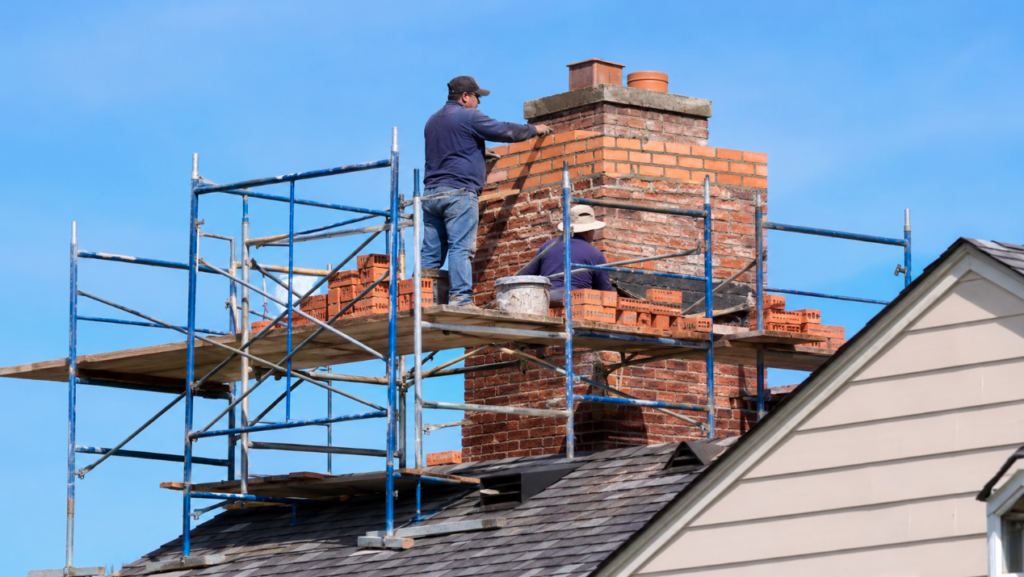
This is the single biggest cost driver. Rebuilding the top few courses of brick is a modest job. A full rebuild from the firebox or foundation up is a major one. Most rebuilds fall somewhere in between — typically everything above the roofline, where weather damage is worst.
2. Brick, Stone, and Material Choice
Standard brick is the most economical. Natural stone, specialty brick, or matching the material on a historic home costs more — both for the materials themselves and the skilled labor to lay them well. Matching existing brick on an older NJ home can take extra sourcing.
3. Height and Access
A tall chimney, a steep roof, or a chimney that’s hard to reach all add scaffolding, safety equipment, and labor time. A chimney on a single-story ranch is far easier to access than one rising off a three-story Victorian.
4. The Crown, Cap, and Flashing
A rebuild is the right time to address the parts that fail first: the concrete crown on top, the cap that keeps out rain and animals, and the flashing that seals the chimney to the roof. Because chimney and roof problems are so connected, a rebuild often overlaps with roofing work where the two meet.
5. Liner Condition
If the flue liner is cracked or deteriorated, it may need replacing as part of the project. A damaged liner is both a safety issue and a cost factor, and it’s not always visible without an inspection.
6. Hidden Damage
Like a roof, a chimney can hide its worst problems. Water that’s been getting in for years can damage the structure behind the visible brick. A trustworthy contractor will show you what they find and explain why it does or doesn’t need addressing.
Warning Signs Your Chimney May Need a Rebuild
If you’re noticing any of these, it’s worth a professional inspection before deciding between repair and rebuild:
- White staining (efflorescence) on the brick — a sign of moisture moving through the masonry
- Crumbling or missing mortar between bricks
- Spalling — brick faces flaking, popping, or breaking off
- A leaning or bowing chimney — a serious structural warning sign
- Brick or debris falling into the firebox or onto the roof
- Interior leaks or water stains near the chimney
A leaning chimney or widespread spalling usually points toward a rebuild. Isolated mortar damage often means repointing is enough.
Why Hire a Chimney Specialist (Not Just a General Contractor)
Chimney rebuilds are masonry work, and masonry is a craft. The mortar mix, the brick coursing, the crown slope, and the flashing detail all have to be right or the chimney leaks again within a few years. At E-Pro Construction, chimney work is one of our core specialties — part of our broader masonry expertise — and you can see examples of our completed projects here.
When to Schedule Chimney Work in NJ
The best time to rebuild or repair a chimney is before winter. Freezing and thawing is what turns small cracks into big ones: water gets into the masonry, freezes, expands, and breaks the brick apart. Addressing problems in late summer or early fall means your chimney is sound before the cold and the heating season arrive — and you avoid the rush.
Frequently Asked Questions
How much does it cost to rebuild a chimney in NJ? It depends on how much of the chimney is being rebuilt, the materials, the height and access, and the condition of the crown, liner, and flashing. A partial rebuild above the roofline costs far less than a full rebuild from the base. An on-site inspection is the only way to get an accurate figure.
Is it cheaper to repair or rebuild my chimney? If the damage is limited to mortar joints or a few bricks, repair or repointing is usually enough and far cheaper. If the chimney is leaning, widely spalling, or structurally compromised, a rebuild is the safer long-term value. We’ll give you an honest assessment.
How long does a chimney rebuild take? Most rebuilds take a few days depending on size, height, weather, and how much is being rebuilt. We’ll provide a clear timeline with your quote.
Can a damaged chimney be dangerous? Yes. A leaning chimney, a cracked liner, or a deteriorated structure can be both a fire-safety and a falling-hazard risk. If you see leaning or falling brick, have it inspected promptly.
Get a Free Chimney Inspection & Quote in NJ
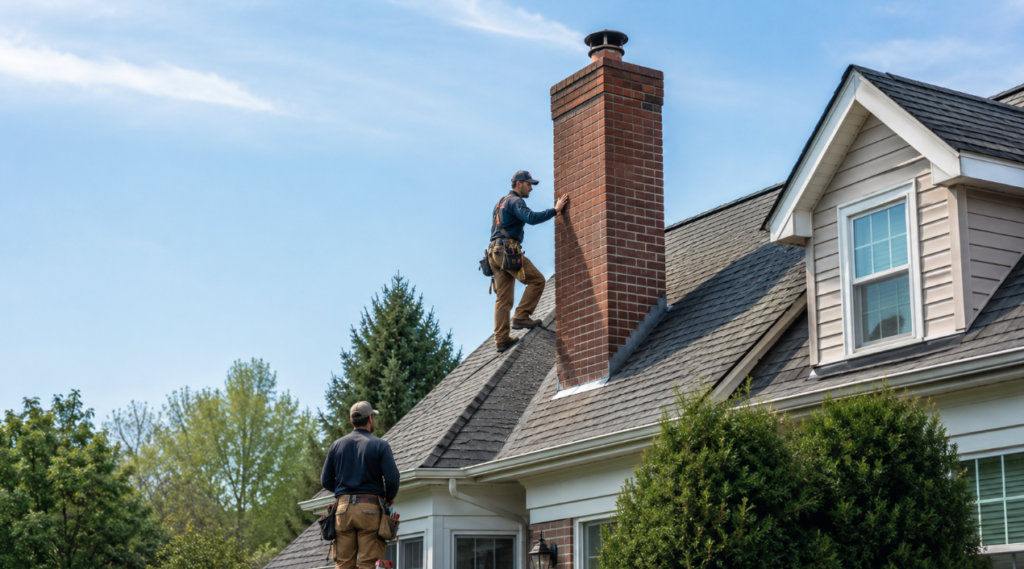
The smartest first step is an honest inspection from a contractor who does this every day. E-Pro Construction has restored and rebuilt chimneys across New Jersey for nearly 30 years — and we’ll always recommend the right-sized job, not the biggest one.
Request your free quote today or call (862) 232-6765 — we’ll inspect your chimney and give you a clear, no-pressure estimate.