
Chimney Flashing Repair & Installation in New Jersey
If your chimney is leaking, the problem is almost never the chimney itself. It is the flashing — the metal that seals the joint where the chimney meets the roof. When flashing is installed correctly, it handles decades of rain, snow, and freeze-thaw without a single drip into the house. When it is installed with caulk instead of the right sequence of metal pieces, it fails in a few years and the stains start showing up on the ceiling below.
That is the work we handle at E Pro Construction, LLC. We repair and replace chimney flashing on homes across Northern New Jersey — step flashing, counter flashing, apron flashing, cricket saddles, and the full assembly behind a chimney that actually keeps water out for the long run.
We have been in business for years. We are fully licensed and insured, we operate under NJ License #13VH12693500, and every repair includes a 1-year workmanship guarantee. Call +1 201-776-9102 for a free inspection.
Local Experience with Northern NJ chimneys and roof details Fully licensed and insured Free Expert Inspection – $0 Cost, No Obligation
Call +1 201-776-9102 for a free post-storm inspection.

Very Professional service from start to finish. Skilled workers had the job done quickly and to a high standard. Would highly recommended them.
Or if its easier for you ↓
Request a Free in-House Appointment
Tell Us What You Need And We’ll send You a custom quotation!
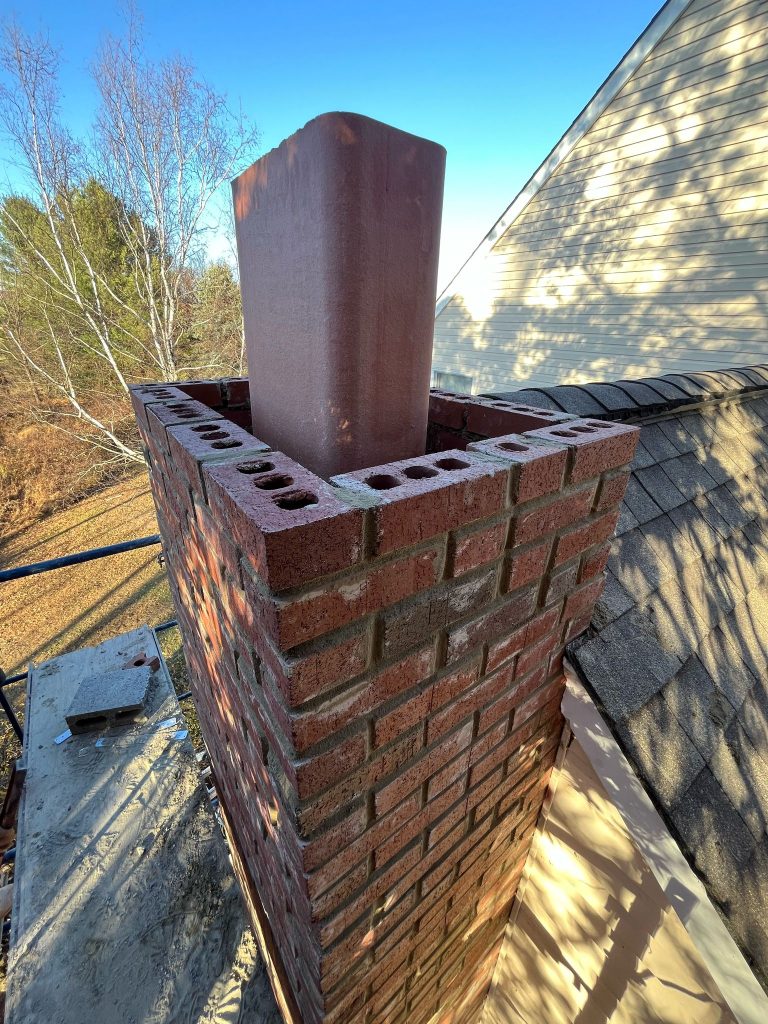

Why Chimney Flashing Matters
A chimney is a hole in your roof. It has to be — that is how combustion gases get out. But every hole in a roof is a leak waiting to happen unless the transition between the chimney and the roofing material is sealed properly.
That seal is flashing. Not one piece, but a system. Step flashing woven in with the shingle courses going up the sides of the chimney. Counter flashing embedded into the mortar joints of the chimney to cover the top of the step flashing. An apron piece across the front (downhill) side. A cricket or saddle behind wider chimneys to divert water around them. Drip edge where the flashing meets the shingle field.
When every piece is in place and integrated correctly, water has nowhere to get in. When a single piece is missing, bent, corroded, or skipped in favor of a bead of caulk, water finds the gap on the first rainy week. And because chimneys sit on the slope, water does not just drip straight down — it runs along rafters, nail lines, and framing before showing up inside the house, sometimes feet away from the actual entry point.
That is why chimney leaks are so often misdiagnosed. A homeowner calls about a ceiling stain in a corner bedroom and the roofer patches the nearest shingle. Two months later, the stain is back. The real problem was a gap in the counter flashing on a chimney twelve feet up the slope.
The Difference Between a Real Flashing Job and a Caulk Job
This is the most important thing on this page. A lot of leaking chimneys in New Jersey have been “repaired” several times with nothing but roofing cement or silicone sealant smeared over the flashing line. That is not a repair. That is a delay.
Caulk and roof cement break down. UV exposure, temperature swings, and the freeze-thaw cycle crack them within a few years — often within one or two winters. The moment a crack forms, water gets behind the bead and runs straight into the gap the caulk was covering. Meanwhile, the homeowner looks up at the chimney and still sees the black smear and assumes they are protected.
A proper chimney flashing repair involves removing failed metal and sealant, inspecting the substrate, installing new flashing pieces in the correct sequence, and integrating the counter flashing into the mortar joints mechanically — not with adhesive. Sealant is used sparingly as a secondary defense at specific points, not as the primary waterproofing layer.
If a contractor tells you they can “seal up your chimney leak” in an hour with a tube of caulk, they are selling you a problem that will come back. That is not how we work.
+2,400
Masonry & roofing projects completed
80%
of customers call us back for additional services
+400
New clients from referrals annually
99%
of our customers would refer us
98%
rate our response time as excellent
250+ Verified Reviews





The Parts of a Chimney Flashing System
Most homeowners do not need to know the terminology, but understanding what is involved helps you tell the difference between a real repair and a cheap patch.
Step flashing. L-shaped pieces of metal installed one per shingle course along the sides of the chimney. Each piece laps the one below it and tucks under the next shingle course. This is what sheds water down the slope while keeping it out of the chimney-to-roof joint.
Counter flashing. The vertical metal layer that covers the top edge of the step flashing and is embedded into the mortar joints of the chimney itself. This is the piece that stops water from running behind the step flashing. On a proper installation, a groove is cut into the mortar joint (a reglet), the counter flashing is folded into the groove, and the joint is sealed. Counter flashing that is just caulked flat against the brick is not counter flashing. It is a caulk line.
Apron flashing. The front-facing piece on the downhill side of the chimney. It sheds water away from the chimney base and prevents pooling at the front wall.
Cricket or saddle. A small triangular structure built behind a chimney on the uphill side, covered with flashing metal. Its job is to divert water around a wide chimney instead of letting it pile up against the back wall. Building code typically requires a cricket on any chimney more than 30 inches wide measured across the slope. A lot of older homes were built without crickets and now have chronic leaks at the back of the chimney for exactly that reason.
Drip edge. The flashing piece that directs water off the edge of the roof and away from the fascia. Relevant at the base of the chimney where the roof line meets the eave.
Kickout flashing. Used where the chimney side wall meets the roof edge, directing water away from the wall instead of down behind the siding. Often missing on older homes, and a major cause of sidewall rot when it is.
Signs Your Chimney Flashing Has Failed
Most chimney flashing problems show themselves in one of these ways:
Ceiling stains near the chimney. The most obvious sign, though the stain is often feet away from the chimney because water travels along framing before dripping. Yellow-brown rings on the ceiling or around a ceiling light fixture are classic chimney flashing leaks.
Damp or stained drywall on the chimney chase wall. The wall that runs around the chimney on the inside of the house. If you have drywall damage here, it is almost always a flashing issue.
Water stains in the attic near the chimney. Go into the attic on a dry day and look at the rafters and decking around the chimney. Dark staining, streaking, or visible water tracks point directly to a flashing failure above.
Rust stains running down the brick. If you see orange or brown rust streaks on the chimney itself, the flashing metal is corroding, which means it is near end of life.
Visible gaps or separation. You can sometimes see flashing problems from the ground with binoculars. Metal pulled away from the brick, curled edges, loose counter flashing hanging down, or obvious caulk beads where counter flashing should be.
Crumbling mortar around the flashing line. If the mortar joints where counter flashing should be embedded are eroded or missing, the flashing has nothing to anchor into.
A history of repeat “roof” repairs. If you have had the same roof area patched two or three times for the same leak, the problem is almost certainly the chimney flashing, not the roof.
Our Chimney Flashing Services
Chimney Flashing Repair
For flashing that is mostly intact but failing at specific points — a pulled counter flashing, a corroded step flashing piece, a failed caulk joint at the apron — we do targeted repairs. The work involves removing the failed section, inspecting what is behind it, and installing a proper replacement integrated with the surrounding system.
Repair is the right call when the majority of the flashing is still in good condition and the issue is isolated. We will tell you when that is the case and when it is not.
Full Chimney Flashing Replacement
For chimneys where the flashing is original to the home, visibly corroded, or was installed incorrectly from the start, a full replacement is usually the smarter investment. We remove all the existing flashing and shingles immediately around the chimney, install new step flashing woven into new shingle courses, cut fresh reglets for counter flashing where needed, and embed new counter flashing into the mortar joints.
This is the repair that actually lasts. Done right with quality materials, new chimney flashing should last the life of the roof underneath it.
Counter Flashing Reset
A common scenario: the step flashing is still fine, but the counter flashing has pulled loose, the reglet has eroded, or a previous installer just caulked the counter flashing to the face of the brick. We remove the failed counter flashing, cut a proper reglet into the mortar joint, install new counter flashing mechanically embedded into the joint, and re-point the mortar.
Cricket / Saddle Installation
If your chimney is wide across the slope (especially anything over 30 inches) and does not have a cricket, you almost certainly have a chronic leak issue at the back of the chimney — or you will eventually. We build and flash crickets on existing chimneys to divert water around instead of against. This is a real fix for a common problem on older NJ homes.
Step Flashing Replacement
When step flashing corrodes, gets damaged during re-roofing, or was never installed at all (we see this on older homes where someone just ran roofing cement up the side of the chimney), we replace it piece by piece, woven into the shingle courses the correct way.
Chimney Flashing on New Roofs
If you are having a new roof installed, the chimney flashing should be replaced at the same time — not reused. Any roofer who tells you they are going to “save the existing flashing” on a chimney when replacing the roof is cutting a corner. We always install new flashing when we reroof, and we do the same if another roofer is doing the roof and you just want us to handle the chimney detail.
Leak Diagnosis
Sometimes the question is not how to fix the flashing, it is whether the chimney flashing is even the problem. Leaks that look like chimney leaks can come from failed shingles uphill, a bad skylight, a vent pipe boot, or ice dams. We trace the actual water path before touching anything, so you are not paying to replace flashing that was not the cause.
Chimney Flashing Cost
Costs depend on the chimney size, the condition of the mortar joints, the flashing material, whether a cricket needs to be added, the roof pitch, and how much shingle work is needed around the chimney to install the new flashing properly.
Typical ranges for chimney flashing work in New Jersey:
- Counter flashing reset or small repair: $400–$900
- Full chimney flashing replacement (standard chimney, aluminum): $700–$1,800
- Full chimney flashing replacement (large chimney or copper): $1,500–$3,500+
- Cricket / saddle installation with new flashing: $900–$2,500+
- Step flashing replacement on a chimney side: $400–$1,100
- Chimney flashing combined with surrounding shingle replacement: Varies by area affected
Every project starts with a free, in-person inspection and a written estimate. We do not give binding quotes over the phone because we cannot see the mortar condition, the existing flashing detail, or what is behind the brick from a phone call.
These are estimates only. Final cost depends on site conditions, access, materials, mortar condition, and the scope of surrounding roof work needed to install the new flashing correctly.
Our Chimney Flashing Process
1. Free Inspection
We come out, look at the chimney from the roof, check the flashing condition, examine the mortar joints, check the attic for water staining, and trace the leak path when there is one. We take photos.
2. Honest Assessment
You get a clear explanation of what is failing, why, and what needs to happen to fix it properly. If the flashing is fine and the leak is actually coming from somewhere else, we will tell you that. If the repair is simpler than you feared, we will tell you that too.
3. Written Estimate
You get a written scope with the materials, the labor, the cost, and what is and is not included. No vague line items.
4. Scheduling and Materials
We schedule the work and source the right flashing material and color-matched shingles for the surrounding repair area where needed.
5. Installation
On the day of the work, we protect the surrounding area, remove the failed flashing and shingles as needed, install the new flashing system in the correct sequence, integrate counter flashing into the mortar joints properly, reinstall shingles around the chimney, and clean up the site.
6. Final Walkthrough and Guarantee
We walk through the finished work with you, explain what was done, and provide documentation of the 1-year workmanship guarantee.
Chimney Flashing vs. Chimney Masonry Work
These are two different services and they often get confused. Here is the difference.
Chimney flashing is the metal work where the chimney meets the roof — step flashing, counter flashing, apron, cricket, and the associated shingle integration. This is the leak-prevention work.
Chimney masonry is the brick, stone, mortar, crown, and cap work on the chimney itself. Repointing, rebuilding, crown replacement, brick repair, and structural repairs.
A lot of chimney leaks involve both. If the mortar joints are too deteriorated to hold counter flashing, we have to repoint the joints first. If the chimney crown is cracked or missing and water is getting in from the top, new flashing will not help until the crown is repaired. If the chimney is leaning or pulling away from the house, that is a masonry rebuild question, not a flashing question.
We do both, so you do not need to coordinate between two contractors. For masonry-specific work on the chimney structure itself, see our chimney masonry page.
Years of Experience
Paving the way with happy and satisfied customers


Years of Experience
Paving the way with happy and satisfied customers

Why Chimney Flashing Fails in New Jersey
New Jersey weather is exactly the set of conditions that kill chimney flashing fastest.
Freeze-thaw cycles. Water works its way into any small gap in the flashing or mortar, freezes, expands, and makes the gap bigger. Repeat that a few dozen times per winter for a few years and a hairline crack becomes an open seam.
Heavy rain events. Thunderstorms and nor’easters drive water sideways against the chimney, finding any gap that will not hold up under pressurized wind-driven rain.
Aging mortar joints. Counter flashing embedded in a mortar joint is only as good as the mortar. When the mortar erodes out of the joint — which is common on chimneys 30+ years old — the flashing loses its anchor and starts to pull free.
Previous bad repairs. Smeared roofing cement, silicone caulk over brick, aluminum flashing attached with masonry screws into cracked mortar. Every bad repair sets the stage for the next failure.
Wrong materials. Aluminum flashing in direct contact with certain masonry or dissimilar metals can corrode faster than it should. Galvanized steel flashing eventually rusts through. Copper lasts the longest but costs more. We match the material to the situation and explain the trade-offs before we start.
Chimneys built without crickets. On older homes with wide chimneys, water has been piling up behind the chimney for decades. Even perfect flashing cannot compensate for a missing cricket indefinitely.
Meet The Owner
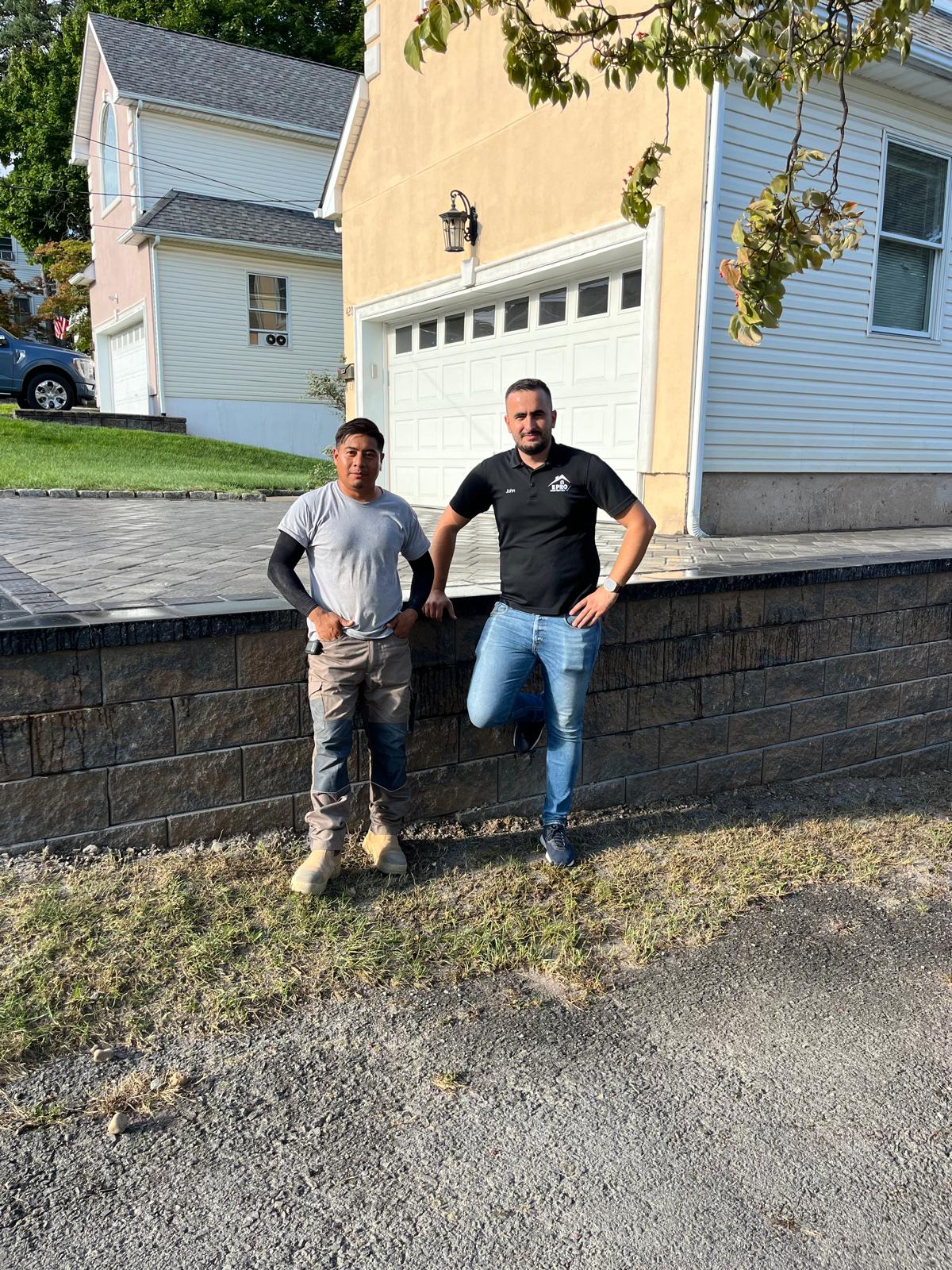
John, the owner personally oversees all projects. His years of experience in Northern New Jersey are critical for correctly diagnosing issues specific to emergency roofing problems.
Flashing Materials We Use
The material affects both the cost and the lifespan of the repair. Here is what we install and when.
Aluminum. The most common choice for residential chimney flashing. Cost-effective, easy to form, and adequate for most applications. Good life expectancy when installed correctly and not in contact with incompatible materials. This is what we use on most repairs unless you have a reason to upgrade.
Galvanized steel. Stronger than aluminum and often used on commercial or historic work. Will eventually rust at cut edges and fasteners, which is why we use it selectively.
Copper. The longest-lasting option and the standard for high-end homes, historic restorations, and premium installations. Copper develops a patina over time and can last the life of the house. Significantly more expensive than aluminum, so we use it when the homeowner wants the best or when the architecture calls for it.
Lead-coated copper. Used in specific historic or high-end applications where copper is preferred but a different appearance is desired.
We do not use roofing cement or caulk as a flashing material. Sealants have a role as a secondary defense at specific points, but they are not waterproofing on their own.
Recently Completed Projects
Get Your Free Estimate Today
Call +1 201-776-9102 and John will answer personally. We will schedule your free estimate, inspect the problem, and give you a clear written scope of work. No pressure. Just an honest assessment.
You can also email info@eproconstruction.us to learn more. Our office is located at 100 North Street, Elmwood Park, NJ 07407.
Small leak or major storm damage, we handle both with the same crew and the same standards. We have been doing this since 1997. 24/7 emergency service is available.
Frequently Asked Questions
How do I know if my chimney flashing is leaking? The most common signs are ceiling stains near the chimney, damp drywall on the chimney chase wall, water staining in the attic around the chimney, rust stains on the brick, or a history of repeat patch repairs in the same area. A free inspection will confirm whether the flashing is the actual source.
Can chimney flashing be repaired, or does it always need to be replaced? Both are possible. If the flashing is mostly intact and the failure is isolated — a single pulled piece, a failed counter flashing section — a targeted repair is appropriate. If the flashing is original, corroded, or installed incorrectly from the start, replacement is the smarter long-term investment. We will tell you which applies after the inspection.
Is caulking my chimney a real fix? No. Roofing cement or silicone caulk over a flashing line is a temporary patch at best. It breaks down under UV, freeze-thaw, and water pressure, usually within a couple of years. Any contractor offering to “seal up” your chimney leak with caulk is selling you a problem that will return.
How long does chimney flashing last? Aluminum flashing installed correctly can last 20–30 years or more. Copper can last 50+ years, often the life of the house. The biggest factor in flashing life is installation quality — a properly installed aluminum system will outlast a copper system that was installed wrong.
Do I need a cricket behind my chimney? If the chimney is more than 30 inches wide across the slope, building code typically requires a cricket and it is strongly recommended regardless of code. Without a cricket, water piles up against the back of the chimney every storm, and even perfect flashing will eventually lose that battle. If you have a wide chimney and chronic leaks at the back, a cricket is almost certainly part of the fix.
How much does chimney flashing cost? Most chimney flashing repairs fall between $400 and $1,800 for standard residential chimneys with aluminum flashing. Copper, larger chimneys, cricket installation, and surrounding masonry repairs push the cost higher. We provide free written estimates.
Do you replace chimney flashing when doing a new roof? Yes, always. Reusing existing flashing on a new roof is a corner-cut we do not take. If you are replacing the roof, the flashing gets replaced with it.
Can you do the masonry repairs too? Yes. We handle both the flashing work and the chimney masonry — repointing, crown repair, brick replacement, and rebuilds. One contractor for the whole chimney.
Are you licensed and insured? Yes. E Pro Construction is fully licensed and insured in New Jersey under NJ License #13VH12693500.
Why Homeowners Choose E Pro Construction for Chimney Flashing? Chimney flashing is one of those jobs where the quality of the installer matters more than almost anything else. The materials are not expensive. The technique is everything. A cheap contractor with a bucket of roofing cement can “fix” your leak in an hour, and you will be calling them back within two years. A real chimney flashing job done properly will still be watertight when the rest of the roof needs to be replaced.
We are a family-owned and operated company that has been doing roofing and masonry in Northern New Jersey since 1997. John, the owner and Master Mason, personally inspects chimney flashing jobs and oversees the crew. You are not getting a subcontractor with a truck. You are getting a company that has been doing this for years on NJ homes.
Local office at 100 North Street, Elmwood Park, NJ 07407
In business for years
4.9-star Google rating from 102 verified reviews
BBB A rating
Fully licensed and insured under NJ License #13VH12693500
1-year workmanship guarantee on every repair
Both roofing and masonry expertise under one contractor
Free written estimates with honest scope and pricing